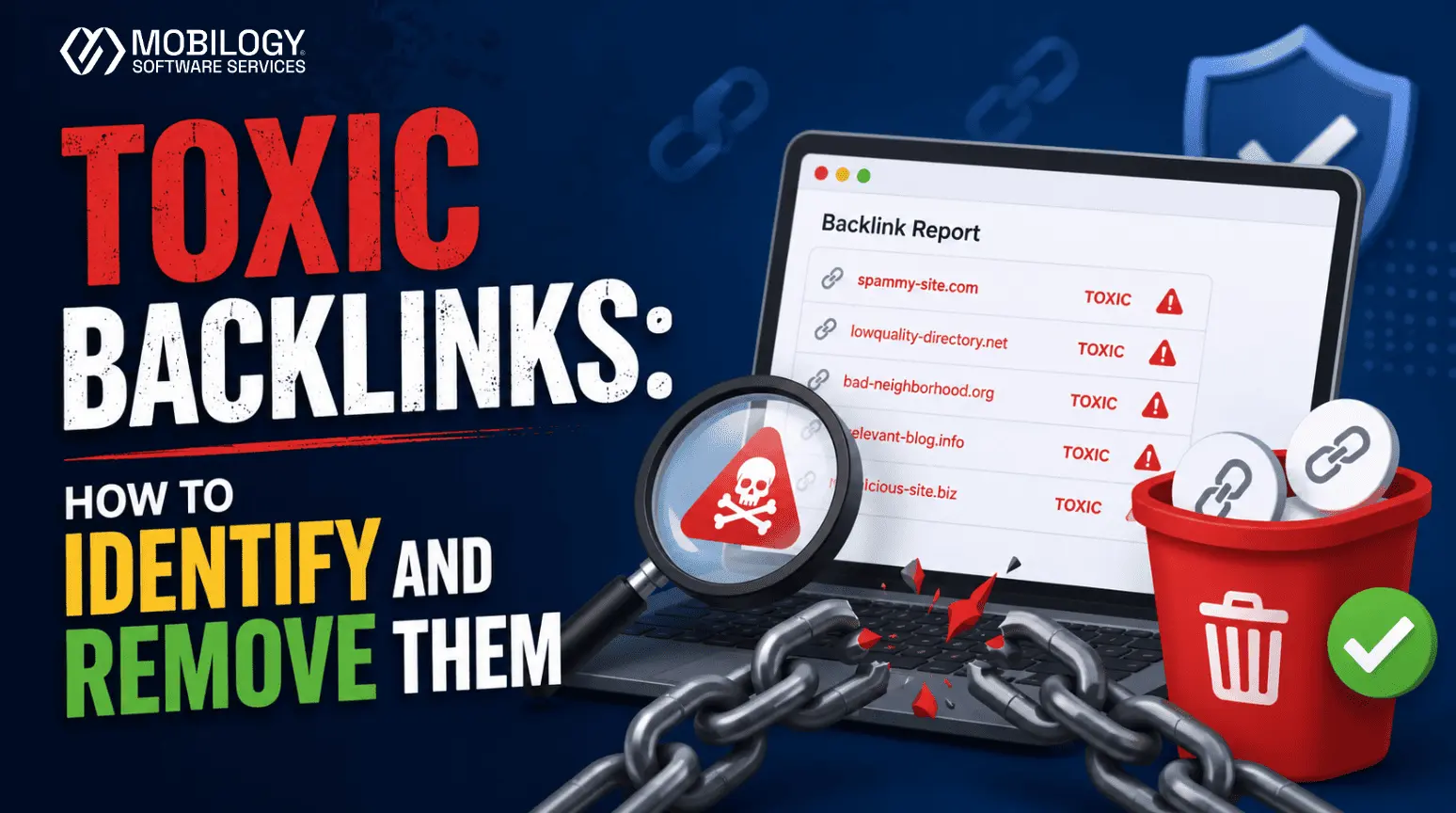
In the world of search engine optimization, backlinks play a major role in determining a website’s authority, visibility, and ranking potential. However, not all backlinks are beneficial. Some links can actually harm your website’s performance in search results. These harmful links are known as toxic backlinks, and if left unmanaged, they can negatively impact your domain reputation and organic traffic.
This guide explains everything about toxic backlinks, including how to identify harmful links, analyze backlink profiles, and remove or disavow toxic links to protect your SEO performance.
What Are Toxic Backlinks?
Toxic backlinks are inbound links from low-quality, spammy, irrelevant, or untrustworthy websites that can negatively affect your search engine rankings. Search engines like Google consider unnatural link patterns as a violation of quality guidelines.
These links usually come from:
- Spam directories or link farms
- Fake blogs or automated websites
- Irrelevant foreign language sites
- Sites with malware or adult content
- Paid link networks
- Websites with no real organic traffic
When your website accumulates too many such links, it may trigger search engine penalties or ranking drops.
Why Toxic Backlinks Are Dangerous for SEO
Backlinks are supposed to build authority, but toxic links do the opposite. They signal to search engines that your website may be involved in manipulative link-building practices.
Key risks include:
- Drop in keyword rankings
- Loss of organic traffic
- Manual actions from Google
- Reduced domain authority
- Indexing issues in severe cases
Maintaining a clean backlink profile is essential for long-term SEO success.
How to Identify Toxic Backlinks
Identifying harmful backlinks is the first step toward maintaining a healthy SEO profile. You need to regularly audit your backlink profile using SEO tools and manual checks.
1. Check Domain Authority and Trust Score
Websites with extremely low authority or trust scores are often suspicious. Links from such domains may be harmful.
Look for:
- Very low domain authority (DA)
- Spam score above acceptable limits
- No organic traffic history
2. Analyze Relevance of Linking Websites
Relevance is critical in SEO. If your website is about digital marketing but receives backlinks from unrelated niches like gambling or adult content, these are red flags.
3. Look for Unnatural Anchor Text
Anchor text helps search engines understand link context. However, over-optimized or spammy anchors can signal manipulation.
Examples of toxic anchor text:
- “Buy cheap products now”
- “Free money online”
- Repeated exact-match keywords unnaturally
4. Check Traffic and Indexing Status
If a linking website has no organic traffic or is not indexed by Google, it is likely low-quality.
5. Identify Link Farms and PBNs
Private Blog Networks (PBNs) and link farms are created solely to manipulate rankings. These networks often link to multiple unrelated sites and should be avoided.
Tools to Detect Toxic Backlinks
To perform a proper backlink audit, SEO professionals use advanced tools that help identify harmful links quickly and accurately.
Some commonly used tools include:
- Google Search Console
- Ahrefs Backlink Checker
- SEMrush Backlink Audit Tool
- Moz Link Explorer
- Ubersuggest
These tools help you analyze:
- Referring domains
- Spam score
- Anchor text distribution
- Link quality score
Regular audits ensure your website stays protected from SEO penalties.
Step-by-Step Process to Remove Toxic Backlinks
Once toxic backlinks are identified, the next step is removal or neutralization. There are two main methods: manual removal and disavowal.
1. Manual Backlink Removal
Manual removal is the most preferred and safest method.
Steps:
- Identify the toxic linking domain
- Find contact details of the website owner
- Request removal of the backlink
- Follow up if necessary
Although time-consuming, this method is highly effective when website owners cooperate.
2. Using Google Disavow Tool
If manual removal is not possible, you can use Google’s Disavow Tool.
Steps to disavow toxic links:
- Create a list of harmful backlinks or domains
- Format them in a .txt file
- Upload the file to Google Disavow Tool
- Submit for processing
Important note: Disavow should be used carefully, as incorrect use may affect your good backlinks as well.
3. Regular Backlink Monitoring
Prevention is better than cure. Regular monitoring helps avoid SEO issues before they become serious.
Recommended practices:
- Monthly backlink audits
- Tracking new backlinks in real time
- Removing spam links immediately
- Reviewing competitor backlink strategies
How to Prevent Toxic Backlinks in Future
Building a strong SEO foundation also involves preventing harmful backlinks from appearing in the first place.
Best practices include:
- Focus on high-quality link building
- Avoid buying backlinks from unknown sources
- Use guest posting on authoritative websites
- Create valuable and shareable content
- Build natural backlinks through organic outreach
- Avoid automated link-building software
A clean link-building strategy ensures sustainable SEO growth.
Importance of Clean Backlink Profile in SEO
A healthy backlink profile directly influences your website’s ranking performance.
Benefits of clean backlinks:
- Improved keyword rankings
- Higher domain authority
- Better indexing speed
- Increased organic traffic
- Stronger brand credibility
Search engines prioritize websites with natural and authoritative backlink profiles.
Role of SEO Experts in Backlink Management
Managing backlinks requires technical expertise and continuous monitoring. Professional SEO agencies use advanced tools and strategies to ensure link profiles remain clean and effective.
Mobilogy Software Services LLP, based in Ahmedabad, Gujarat, India, specializes in advanced SEO services, including backlink audits, toxic link removal, and complete website optimization strategies.
Their SEO approach focuses on:
- Detailed backlink analysis
- Identification of toxic links
- Safe disavow implementation
- Ethical white-hat SEO practices
- Long-term ranking improvement strategies
Website: www.mobilogy.in
Toxic backlinks can silently damage your website’s SEO performance if not monitored properly. Understanding how to identify toxic backlinks, use SEO tools effectively, and apply safe removal techniques is essential for maintaining a strong online presence.
A clean and high-quality backlink profile ensures better rankings, improved trust, and long-term digital success. Businesses that invest in regular backlink audits and professional SEO services stay ahead in competitive search rankings.
By adopting strategic SEO practices and working with experts like Mobilogy Software Services LLP, businesses can safeguard their websites from harmful backlinks and build a strong foundation for sustainable growth.